consent_cookie
Duración: 1 year
Stores the user's cookie consent state
22-06-2026
From 23 to 26 June, a key international debate for global textile circularity will take place in Geneva, as Parties to the Basel Convention meet to consider the status of used textiles and textile waste.
The Basel Convention regulates the transboundary movement of hazardous wastes. While textiles are currently classified as non‑hazardous and remain largely outside its scope, proposals discussed could significantly change this approach.
Concerns regarding the environmental impact of textile flows into the Global South have led to proposals to classify certain categories of used textiles as hazardous, or as wastes requiring “special consideration.” Such changes would bring these flows under Prior Informed Consent (PIC) procedures, introducing substantial administrative and financial burdens.
Humana Spain supports efforts to address environmental challenges associated with global textile value chains, including the management of textiles at end of life. At the same time, we emphasize the broader imperative to keep resources in circulation for as long as possible, aligning consumption with planetary boundaries and advancing a circular textile economy.
Humana Spain’s position in the upcoming discussions is aligned with that of the Bureau of International Recycling (BIR), of which it is a member.
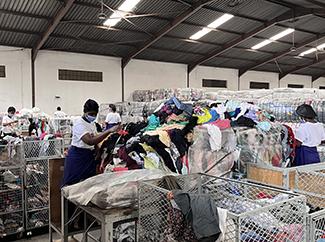
The highly globalised post‑consumer textiles value chain plays a critical role in reintroducing both post‑consumer and post‑industrial textiles into the economy, thereby preventing waste and conserving resources. However, the lack of clear, harmonised definitions and appropriate trade classifications continues to present significant challenges for the reuse and recycling sectors.
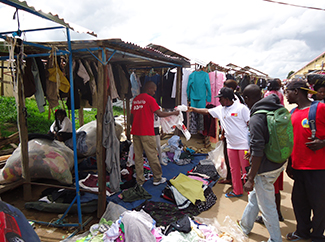
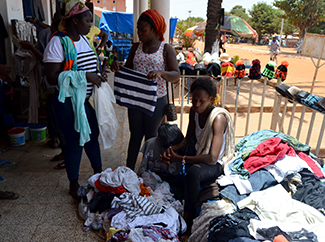
We therefore urge parties to ground their deliberations in the full body of available evidence—including systematic field studies from Kenya, Uganda, Tanzania, Ghana, and Guatemala, which consistently indicate non‑reusable fractions below five percent of imported volumes—and to ensure that environmental harms are addressed at their source, without hindering the circular flows that already contribute to mitigating them.
RELATED NEWS